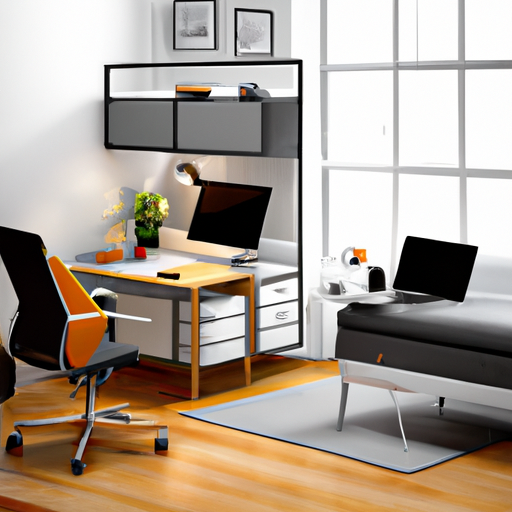

When setting up a home office, finding the perfect desk is crucial for creating a productive and comfortable workspace. But with so many options available, it can be overwhelming to know what features to prioritize. That’s why this article is here to help. In this guide, we will explore the essential features you should look for when buying a home office desk. From size and storage options to ergonomic design and style, we’ve got you covered. So, whether you’re a freelancer, remote worker, or simply in need of a designated workspace, read on to discover the key factors to consider when choosing your ideal home office desk.

1. Size and Space
When choosing a home office desk, it’s important to consider the dimensions of the desk. You want to ensure that it fits comfortably in your workspace without taking up too much or too little room. Measure the available space in your office before making a decision. Additionally, consider the available space on the desk itself. Look for a desk with ample surface area to accommodate your computer, paperwork, and other essentials.
Adjustable height is another important factor to consider when it comes to size and space. Look for a desk that offers adjustable height options to ensure optimal comfort and ergonomics. Being able to adjust the height of your desk allows you to find the perfect position for typing and working, helping to prevent strain and discomfort.
Storage capacity is also crucial, especially if you have a lot of paperwork or office supplies. Look for desks with drawers, compartments, and shelves to help keep your workspace organized and clutter-free. Having storage options within your desk can help maximize space and keep essential items within arm’s reach.
2. Material and Durability
The material of your home office desk plays a significant role in its durability and overall aesthetic. Here are some popular materials to consider:
Solid wood desks are known for their durability and timeless appeal. They are sturdy and long-lasting, making them a great investment for your home office.
Engineered wood, such as MDF or particleboard, is a more affordable option compared to solid wood. These desks are durable and come in various finishes, giving you a wide range of design options.
Metal desks provide a sleek and modern look to any office space. They are known for their durability and stability.
Glass desks offer a contemporary and elegant look. They can make your workspace appear larger and provide a stylish touch. However, they may require more maintenance to keep them clean and scratch-free.
Laminate desks provide a budget-friendly option without compromising on style. They are durable, easy to clean, and come in various designs and colors.
3. Style and Design
Your home office should reflect your personal style and create a welcoming and productive environment. Consider the following styles and designs when choosing a desk:
Traditional desks have a classic and timeless appeal. They often feature intricate details and are made from solid wood. They are perfect for those who prefer a more formal and sophisticated office space.
Contemporary desks blend modern and traditional design elements. They offer a sleek and clean look with simple lines and minimal ornamentation.
Modern desks have a minimalist and innovative design. They often incorporate unique materials and shapes, making them suitable for those who prefer a contemporary and cutting-edge look.
Rustic desks feature natural textures and materials, bringing a warm and cozy feel to your home office. They often showcase wood grain details and offer a charming and relaxed ambiance.
Minimalist desks are ideal for those who prefer simplicity and functionality. They have clean lines and a clutter-free design, promoting a streamlined and organized workspace.
4. Ergonomics and Comfort
Considering that you will be spending hours at your home office desk, it’s crucial to prioritize ergonomics and comfort. Look for the following features to ensure a comfortable and healthy working environment:
Adjustable features, such as height and tilt, allow you to customize your desk to fit your body and preferred working position. This helps reduce strain on your neck, shoulders, and back.
A keyboard tray is essential for maintaining proper typing posture and preventing wrist and hand discomfort. It ensures that your keyboard is at the right height and angle, promoting a natural hand position.
Cable management is often overlooked but plays a significant role in keeping your workspace organized and hazard-free. Look for desks with built-in cable management systems to easily route and hide cords and cables.
Investing in a comfortable chair is equally important as your desk. Look for chairs with adjustable height, lumbar support, and padding to provide optimal comfort and prevent muscle strain.

5. Functionality
The functionality of your home office desk is another crucial aspect to consider. Here are some features to look for:
Desk layout is an essential consideration, especially if you require a specific arrangement for your computer, printer, and other office equipment. Look for desks that provide ample space and logical placement options for your devices.
Drawers and compartments are essential for keeping your office supplies, paperwork, and personal items organized and easily accessible. Ensure that the desk you choose has sufficient storage solutions to meet your needs.
Shelves and bookcases are beneficial if you have a collection of books, binders, or decorative items. They provide additional storage space and can help keep your workspace clutter-free.
File storage is essential for those who need to keep their paperwork organized. Look for desks with dedicated file drawers or compartments to help you stay on top of your documents.
6. Work Surface
The work surface of your home office desk should be practical and durable. Consider the following factors:
A smooth and durable work surface is essential for comfortable writing, typing, and other day-to-day tasks. Look for desks made from materials such as solid wood or laminate, which provide a reliable and sturdy surface.
Scratch-resistant surfaces are ideal to keep your desk looking brand new for years to come. Avoid materials that are prone to scratches, as they can detract from the overall aesthetic and durability.
Stain-resistant surfaces are particularly important if you anticipate spills or accidents. Look for desks with finishes that are easy to wipe clean and won’t absorb stains.
An easy-to-clean work surface is essential for maintaining a tidy and hygienic workspace. Look for materials that can be easily wiped down with a damp cloth or mild cleaning solution.

7. Cable Management
In today’s technology-driven world, managing cables and cords is crucial for maintaining an organized and hazard-free workspace. Consider the following features when it comes to cable management:
Built-in cable holes on the desk surface allow you to route cords and cables through the desk, keeping them out of sight and preventing them from tangling.
Cord management systems, such as clips or cable sleeves, can help keep cords neatly organized and prevent them from becoming a tripping hazard.
Cable trays are another popular cable management solution. These trays are attached underneath the desk and provide a space to hide and organize cords, keeping them off the floor and out of sight.
8. Assembly and Maintenance
When purchasing a home office desk, it’s essential to consider how easy it will be to assemble and maintain. Look for the following features:
Ease of assembly is important, especially if you are assembling the desk yourself. Ensure that the desk comes with clear and detailed instructions, as well as all the necessary hardware for assembly.
Clear assembly instructions are crucial for a hassle-free and successful assembly process. Look for desks that provide step-by-step instructions or video tutorials to guide you through the process.
Maintenance requirements can vary depending on the material of the desk. Consider factors such as cleaning instructions and the level of maintenance required to keep the desk in good condition. Look for materials that are easy to clean and require minimal upkeep.

9. Price and Budget
Determining your budget is an essential step before purchasing a home office desk. Consider the following factors when it comes to price and budget:
Establishing your budget allows you to narrow down your options and focus on desks within your price range. Consider how much you are willing to spend and what features are most important to you.
Comparing prices among different retailers and brands can help you find the best deal. Keep in mind that prices can vary based on material, size, and additional features.
Quality vs. affordability is an important consideration when it comes to budget. While it can be tempting to go for the cheapest option, investing in a higher-quality desk can provide better durability and longevity.
10. Additional Features
In addition to the essential features mentioned above, there are a few additional features that you may find beneficial in a home office desk:
Built-in power outlets allow you to conveniently plug in your electronic devices without the need for extra extension cords or power strips.
Monitor mount compatibility is important if you use multiple monitors or prefer to mount your monitor to free up desk space. Look for desks with built-in mounting options or compatibility with popular monitor mounting systems.
An adjustable monitor stand is useful for achieving optimum viewing angles and reducing strain on your neck and eyes. Look for desks that offer adjustable monitor stands or have enough space to accommodate a separate stand.
Cable concealment can help hide unsightly cords and cables, creating a clean and organized look. Look for desks with built-in cable management features or compartments designed specifically for cable storage.
In conclusion, when buying a home office desk, it’s essential to consider a range of factors such as size and space, material and durability, style and design, ergonomics and comfort, functionality, work surface, cable management, assembly and maintenance, price and budget, as well as any additional features that may enhance your workspace. By carefully considering your needs and preferences in each of these areas, you can ensure that you choose a desk that will provide you with a comfortable, functional, and aesthetically pleasing home office environment.