
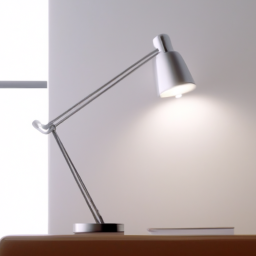
Are you looking for ways to enhance the lighting in your home office? If so, you’ve come to the right place! A well-lit workspace can make a world of difference in your productivity and overall comfort while working from home. In this article, we will explore some practical tips and ideas to help you improve the lighting in your home office. Whether you’re struggling with inadequate lighting or simply want to create a more pleasant atmosphere, we’ve got you covered. So, let’s dive in and discover how you can brighten up your workspace!
Curious to know how to transform your home office into a well-lit haven? Look no further! In this article, we will share some valuable insights and practical solutions to help you improve the lighting in your home office. From choosing the right light fixtures to utilizing natural light effectively, we’ll cover it all. Say goodbye to dim or harsh lighting and say hello to a well-illuminated workspace that will boost your productivity and make you feel more motivated to work. So, keep reading to learn some illuminating tips and tricks for your home office lighting! If you find yourself asking this question, you are not alone. Creating a well-lit and comfortable workspace is crucial for productivity, focus, and overall well-being. Good lighting in a home office can reduce eye strain and fatigue, enhance productivity, and improve mood and mental clarity. In this article, we will explore the different types of lighting, how to assess and adjust natural lighting, optimize general or ambient lighting, choose the right task lighting, add accent lighting for ambiance, consider color temperature and brightness, utilize smart lighting solutions, arrange lighting for an ergonomic setup, and ultimately, create the perfect home office lighting setup.
Importance of good lighting in a home office
Reduced eye strain and fatigue
One of the most significant benefits of good lighting in a home office is reduced eye strain and fatigue. Insufficient lighting can cause eye strain, leading to headaches, blurred vision, and difficulty focusing. By ensuring proper lighting, you can alleviate these issues and create a comfortable working environment.
Enhanced productivity
Another compelling reason to focus on lighting in your home office is its direct impact on productivity. Bright, well-lit spaces contribute to increased alertness and improved concentration. When your workspace is properly lit, you are more likely to stay focused and complete your tasks efficiently.
Improved mood and mental clarity
Lighting also plays a crucial role in shaping our mood and mental clarity. Adequate lighting can help combat feelings of lethargy and maintain a positive mindset throughout the workday. By optimizing the lighting in your home office, you can create a space that promotes both productivity and a sense of well-being.
Understanding the different types of lighting
To improve the lighting in your home office, it’s essential to understand the different types of lighting available and their respective purposes. Here are the main types of lighting you should be familiar with:
Natural lighting
Natural lighting refers to the use of sunlight as the primary light source in a room. It provides a warm, soft glow that can significantly enhance the overall ambiance of your home office. Incorporating natural light into your workspace has numerous benefits, including increased energy levels and improved mood.
General or ambient lighting
General or ambient lighting refers to the overall illumination of a room. It provides a comfortable level of brightness for daily activities. In a home office setting, ambient lighting can be achieved through ceiling lights, chandeliers, or wall sconces. It serves as the foundation for the lighting in your workspace.
Task lighting
Task lighting is targeted illumination that helps you perform specific tasks. It provides focused, shadow-free lighting for activities such as reading, writing, or working on a computer. Task lighting options include desk lamps, floor lamps, and under-cabinet lighting. Having adequate task lighting in your home office is crucial for minimizing eye strain and enhancing productivity.
Accent lighting
Accent lighting is used to highlight specific features or objects in a room. It adds depth and visual interest to your home office. Accent lighting options could include wall sconces, track lighting, or picture lights. By incorporating accent lighting, you can create a more visually appealing and inviting workspace.
Assessing and adjusting natural lighting
Natural lighting offers numerous advantages, including improved mood and energy levels. However, it is essential to assess and adjust natural lighting in your home office to avoid excessive glare or contrast that could impact your work. Here are some tips for optimizing natural lighting:
Positioning your desk near windows
When setting up your home office, consider positioning your desk near windows to take advantage of natural light. This will not only enhance your workspace but also provide a pleasant view that can be rejuvenating during breaks.
Using adjustable window coverings
To control the amount of natural light entering your home office, consider using adjustable window coverings such as blinds or curtains. This allows you to adjust the level of brightness to your preference and avoid glare on your computer screen.
Choosing the right window placement
If you have the flexibility to choose the placement of windows in your home office, opt for windows that provide ample natural light without direct sunlight hitting your workspace. Direct sunlight can cause glare and make it difficult to see your screen or documents clearly.
Optimizing general or ambient lighting
General or ambient lighting sets the overall tone and brightness level in your home office. By optimizing this type of lighting, you can create a welcoming and well-illuminated workspace. Here are some tips to optimize general or ambient lighting:
Installing overhead or ceiling lights
Install overhead or ceiling lights to provide uniform illumination throughout your home office. Consider LED or fluorescent lights for energy efficiency and a cool color temperature. Avoid using harsh, bright lights that may cause discomfort.
Selecting appropriate light fixtures
Choose light fixtures that match the style and aesthetics of your home office. Pendant lights, recessed lighting, or track lighting are popular options for ambient lighting fixtures. Consider the size and height of your room when selecting the appropriate fixtures.
Using dimmers for adjustable brightness
Installing dimmer switches allows you to adjust the brightness of your general lighting according to your needs. Dimmers enable you to create different moods or adapt to changing natural light conditions throughout the day.
Choosing the right task lighting
Task lighting is crucial for focused activities and reducing eye strain. Choosing the right type of task lighting for your home office is essential to ensure maximum productivity. Consider the following when selecting task lighting:
Determining your specific task lighting needs
Assess the specific tasks you perform in your home office to determine your task lighting needs. For example, if you primarily work on a computer, a desk lamp with adjustable brightness and a non-glare screen is ideal.
Selecting desk lamps or floor lamps
Desk lamps and floor lamps are popular options for task lighting. Choose lamps that provide focused, adjustable light for your workspace. Opt for LED bulbs for energy efficiency and a long lifespan.
Considering task lighting with adjustable features
Task lighting that offers adjustable features, such as movable arms or adjustable brightness settings, is highly beneficial. This allows you to customize the lighting according to your specific needs and preferences.
Adding accent lighting for ambiance
While task lighting focuses on functionality, accent lighting adds visual interest and ambiance to your home office. Here are some ways to incorporate accent lighting:
Using wall sconces or uplighting
Wall sconces or uplighting can be used to create a warm and intimate atmosphere in your home office. They provide indirect light and can be positioned to highlight specific features or focal points.
Highlighting artwork or focal points
If you have artwork or decorative items in your home office, consider using accent lighting to draw attention to them. Picture lights or track lighting can effectively showcase your favorite pieces and add a personal touch to your workspace.
Creating a soothing atmosphere
Consider incorporating accent lighting with warm color temperatures, such as soft yellow or warm white, to create a soothing atmosphere in your home office. This can help reduce stress and promote relaxation during work breaks.
Considering color temperature and brightness
Color temperature and brightness play a significant role in setting the ambiance and functionality of your home office lighting. Consider the following tips:
Understanding the Kelvin scale for color temperature
Light color is measured on the Kelvin scale. Lower Kelvin values, such as 2700K-3000K, represent warmer light, while higher Kelvin values, such as 5000K-6500K, represent cooler or daylight-like light. Choose color temperatures that align with the intended mood and purpose of your workspace.
Matching lighting to the intended purpose
For tasks that require more focus and precision, such as reading or detailed work, choose lighting with cooler color temperatures (around 5000K-6500K). For a more relaxed and comfortable ambiance, warmer color temperatures (around 2700K-3000K) are preferable.
Avoiding overly harsh or dim lighting
Finding the right balance of brightness is crucial. Avoid lighting that is too bright or too dim, as it can cause discomfort or eyestrain. Test different light levels to determine the optimal brightness for your needs.
Utilizing smart lighting solutions
Smart lighting solutions offer convenience and flexibility in controlling your home office lighting. Consider the following options:
Installing smart light bulbs or systems
Smart light bulbs or lighting systems allow you to control your home office lighting remotely. You can adjust brightness, color temperature, and even create custom lighting schedules to suit your preferences.
Controlling lighting through voice or smartphone
By integrating your home office lighting with virtual assistants, such as Amazon Alexa or Google Assistant, you can control your lights using voice commands. Smart lighting apps also enable control via smartphones, making it easy to adjust the lighting from anywhere in your home.
Creating custom lighting schedules
Take advantage of the programmable features of smart lighting to create custom lighting schedules in your home office. This can help maintain a consistent lighting environment throughout the day and promote productivity and focus.
Arranging lighting for ergonomic setup
Proper arrangement of lighting in your home office is essential for ergonomic comfort and optimal illumination. Consider the following tips:
Avoiding glare and shadows on the workspace
Position your lighting fixtures in a way that prevents glare on your computer screen or workspace. Avoid placing lights directly in your line of sight or at an angle that creates shadows on your desk.
Properly positioning lights for optimal illumination
Ensure that your lighting fixtures are positioned to provide uniform illumination across your workspace. Experiment with different angles and heights to find the optimal positioning that minimizes shadows and maximizes visibility.
Considering the overall room layout
Factor in the layout of your home office when arranging lighting. Consider the placement of furniture, shelves, and storage units to ensure that lighting is distributed evenly and effectively in all areas of the room.
Conclusion
Improving the lighting in your home office is essential for creating a comfortable and productive workspace. By understanding the different types of lighting, assessing and adjusting natural lighting, optimizing general or ambient lighting, choosing the right task lighting, adding accent lighting for ambiance, considering color temperature and brightness, utilizing smart lighting solutions, arranging lighting for an ergonomic setup, and prioritizing comfort, productivity, and aesthetics, you can create an ideal home office lighting setup. Experiment with different lighting options and find the perfect balance that enhances your home office experience. Remember, a well-lit workspace can make a significant difference in your overall work performance and well-being.