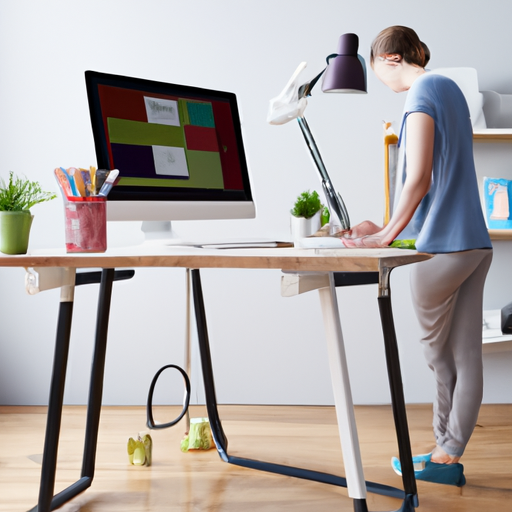
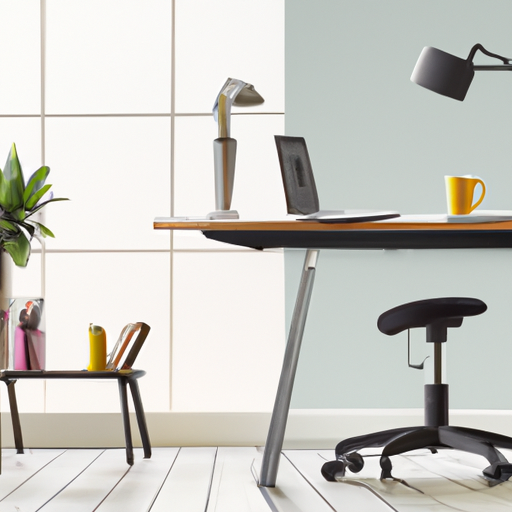
Are you considering making a change to your workspace but unsure whether to go for a standing desk or an adjustable height desk? Look no further! In this article, we will provide you with all the information you need to make an informed decision. We will explore the health and ergonomic benefits of both standing desks and adjustable height desks, helping you determine which option is best for promoting a healthier and more comfortable work environment. So, get ready to improve your posture and increase productivity as we delve into the world of standing desks and adjustable height desks.
Benefits of Standing Desks
Improved Posture
One of the key benefits of using standing desks is improved posture. When you stand, your body naturally aligns itself in a more upright position, which helps to alleviate the strain on your neck, shoulders, and back. Unlike sitting, which tends to encourage slouching and hunching, standing helps to activate your core muscles and maintain a more natural and healthy posture throughout the day. This can have long-term benefits for your overall spinal health and reduce the risk of developing chronic pain or musculoskeletal issues.
Reduced Back Pain
Sitting for prolonged periods can often contribute to back pain and discomfort. By incorporating a standing desk into your workspace, you can help to alleviate some of that strain on your lower back. Standing engages the muscles around your spine more effectively, helping to support your back and reduce the pressure on your discs. Studies have shown that using a standing desk can lead to a reduction in lower back pain and provide relief to individuals with pre-existing back conditions.
Increased Calorie Burn
Standing at your desk instead of sitting can also help to burn more calories throughout the day. While the difference may not be significant, standing burns approximately 50 more calories per hour compared to sitting. Over the course of a year, this can add up to several pounds of weight loss. Additionally, standing at your desk can help to keep you more active during the day, as it encourages subtle movements such as shifting your weight, stretching, or taking short walks around your workspace.
Lower Risk of Obesity
Incorporating a standing desk into your daily routine can be a proactive step towards managing your weight and reducing the risk of obesity. Sitting for extended periods has been linked to weight gain and an increased risk of obesity. By standing at your desk, you are engaging your core muscles, promoting better blood flow, and increasing your energy expenditure. These factors can help to prevent weight gain and maintain a healthier overall body composition.
Improved Blood Circulation
Sitting for long periods can lead to poor blood circulation, which can have negative effects on your overall health. When you stand, your blood flow is improved, allowing oxygen and nutrients to be delivered more efficiently to your muscles and organs. This increased circulation can help to prevent cardiovascular issues, reduce the risk of blood clots, and promote better overall health. By using a standing desk, you can ensure that your blood is flowing optimally and keep your body functioning at its best.
Benefits of Adjustable Height Desks
Flexibility and Versatility
One of the biggest advantages of adjustable height desks is the flexibility and versatility they offer. Unlike traditional desks or standing desks, adjustable height desks allow you to easily switch between sitting and standing positions throughout the day. This flexibility is especially beneficial if you have specific tasks that require more concentration or focus, as you can adjust the height of your desk accordingly. Being able to adapt your workspace to your needs can help to improve your comfort, productivity, and overall work experience.
Customizable Workspace
Adjustable height desks provide you with the ability to customize your workspace to suit your personal preferences and needs. Whether you prefer a lower desk height for writing or a higher desk height for working on a computer, an adjustable height desk allows you to tailor the position of your desk to your liking. You can also adjust the angle of your keyboard and monitor to ensure proper ergonomics, reducing the risk of strain on your wrists, arms, and neck. This customization not only increases your comfort but also enhances your overall work efficiency.
Reduced Risk of Musculoskeletal Disorders
Ergonomics play a crucial role in ensuring a healthy and comfortable work environment. Adjustable height desks can significantly contribute to reducing the risk of musculoskeletal disorders such as carpal tunnel syndrome, tendonitis, and neck pain. By adjusting your desk height to the optimal position, you can maintain a neutral wrist position while typing, prevent excessive strain on your shoulders and neck, and promote better overall hand and arm ergonomics. This can have a profound impact on your long-term musculoskeletal health and reduce the likelihood of developing work-related injuries.
Improved Productivity
When you have the ability to switch between sitting and standing positions, it can have a direct impact on your productivity. Different tasks may require varying levels of focus and engagement, and being able to adjust your desk height accordingly can help you stay engaged and motivated throughout the day. Studies have shown that individuals who use adjustable height desks report increased productivity, focus, and creativity. Being able to find the ideal working position for each task can help you maintain better concentration and achieve optimal work outcomes.
Enhanced Collaboration
Adjustable height desks can also have positive effects on collaboration and teamwork in the workplace. By allowing individuals to adjust their desk height, it creates a more inclusive and comfortable environment for people of different heights and body types. This flexibility promotes better communication and interaction among colleagues, as everyone can find a comfortable working position. Additionally, adjustable height desks can be especially beneficial for collaborative meetings or discussions where individuals can easily switch between sitting and standing, promoting an active and engaged atmosphere.

Comparison of Health Benefits
Posture and Spine Alignment
Both standing desks and adjustable height desks contribute to improving posture and spine alignment. When using a standing desk, your body naturally aligns itself in a more upright position, which helps to alleviate strain on your neck, shoulders, and back. Similarly, adjustable height desks allow you to customize the height of your workspace, ensuring that you maintain a proper posture. Both options encourage better spinal alignment, reducing the risk of developing postural issues or chronic pain.
Reduced Risk of Sitting Disease
Sitting for prolonged periods has been linked to various health issues, including what is commonly referred to as “sitting disease.” This term encompasses a range of conditions associated with sedentary behavior, such as obesity, cardiovascular disease, and diabetes. Both standing desks and adjustable height desks provide an opportunity to combat sitting disease by reducing the amount of time spent sitting and promoting more active movement throughout the day. By incorporating either option into your workspace, you can lower the risk of developing sitting-related health problems.
Energy Levels and Fatigue
Standing has the benefit of increasing energy levels and reducing feelings of fatigue throughout the day. When you stand, your body is engaged and more active, resulting in increased blood flow and oxygen circulation. This can lead to improved alertness, focus, and energy levels, which are especially beneficial during those mid-afternoon slumps. On the other hand, adjustable height desks provide flexibility for individuals who may experience fatigue from prolonged standing. By transitioning between sitting and standing, you can find the balance that suits your energy levels and prevents excessive tiredness or discomfort.
Weight Management
Weight management is an important aspect of maintaining overall health. Both standing desks and adjustable height desks can contribute to weight management in different ways. Standing at your desk burns more calories compared to sitting, which can aid in weight loss or weight maintenance. Additionally, standing promotes better blood flow and engages your muscles, preventing sedentary behavior and encouraging subtle movements that contribute to an active lifestyle. However, adjustable height desks offer the advantage of allowing individuals to find the most comfortable and efficient working position, which can aid in productivity and reduce the likelihood of reaching for unhealthy snacks while sitting for long periods.
Cardiovascular Health
Regular movement and improved blood circulation have a significant impact on cardiovascular health. Both standing desks and adjustable height desks promote better blood flow, preventing a sedentary lifestyle and reducing the risk of cardiovascular diseases. Standing at your desk helps to keep your cardiovascular system engaged, increases heart rate, and improves blood pressure regulation. Similarly, adjustable height desks allow individuals to alternate between sitting and standing, preventing prolonged sitting and promoting better cardiovascular function. Incorporating either option into your workspace can contribute to better heart health and overall cardiovascular well-being.
Comparison of Ergonomic Benefits
Adjustability and User-Friendliness
Both standing desks and adjustable height desks offer a high level of adjustability and user-friendliness. Standing desks are designed to be easily adjustable, allowing you to switch between sitting and standing positions with minimal effort. Adjustable height desks give you even more flexibility by providing customizable height options that suit your specific needs. With a simple adjustment mechanism, you can find the perfect ergonomic position to alleviate strain on your body and promote overall comfort. This adjustability and user-friendly feature of both types of desks make them suitable for individuals with different preferences and requirements.
Proper Monitor and Keyboard Positioning
Proper positioning of your monitor and keyboard is essential for maintaining good ergonomics and preventing strain on your neck, shoulders, and wrists. Both standing desks and adjustable height desks allow you to achieve the ideal positioning for your monitor and keyboard. When using a standing desk, you can ensure that your monitor is at eye level and your keyboard is positioned at elbow height, promoting a neutral posture. Adjustable height desks offer the advantage of fine-tuning the height and angle of your monitor and keyboard, allowing you to find the most comfortable and efficient position for your specific tasks.
Avoiding Eye Strain and Neck Pain
Proper ergonomics can help prevent eye strain and neck pain, which are common issues in the modern workplace. Standing desks and adjustable height desks address these concerns by enabling you to position your monitor at eye level, reducing the need to tilt your head or strain your neck. By maintaining a comfortable and neutral neck position, you can minimize the risk of developing neck pain or discomfort. Additionally, both types of desks encourage better posture and alignment, reducing eye strain and improving overall visual comfort.
Reducing Wrist and Arm Fatigue
Wrist and arm fatigue are common complaints among individuals who spend long hours working on a computer. Both standing desks and adjustable height desks can help alleviate this fatigue by promoting proper wrist and arm ergonomics. Standing desks encourage a more natural posture that activates your core muscles and prevents unnecessary strain on your wrists and arms. Similarly, adjustable height desks allow you to adjust the position of your keyboard and mouse to ensure a neutral wrist alignment. By reducing the strain placed on your wrists and arms, you can minimize fatigue and discomfort associated with repetitive computer work.
Promoting Active Movement
Promoting active movement throughout the workday is essential for maintaining a healthy lifestyle and preventing the negative effects of sedentary behavior. Both standing desks and adjustable height desks encourage active movement by providing opportunities to shift your weight, stretch, and engage in small movements while working. By incorporating regular movement into your work routine, you can improve blood circulation, prevent muscle stiffness, and increase energy levels. Whether you choose to stand or alternate between sitting and standing positions, both options promote better overall movement and contribute to a more active and dynamic work environment.

Considerations for Standing Desks
Ease of Transition
Transitioning to a standing desk can take some time and adjustment. It is essential to start gradually and allow your body to adapt to standing for extended periods. Begin by standing for short intervals throughout the day and gradually increase the duration. This gradual transition will help your muscles and joints get accustomed to the new position and reduce the risk of discomfort or fatigue.
Footwear and Comfort
Choosing the right footwear when using a standing desk is important for maintaining comfort and preventing foot and leg pain. Opt for shoes that provide adequate support and cushioning to alleviate pressure on your feet and joints. Avoid high heels or shoes with minimal support, as they can contribute to discomfort and strain. Additionally, consider using an anti-fatigue mat to provide additional cushioning and support for your feet while standing.
Standing Time and Variation
Finding the right balance between sitting and standing is crucial. Standing for extended periods without breaks can lead to fatigue, discomfort, and leg pain. Aim for a healthy balance by incorporating regular breaks and variations in your position throughout the day. Consider transitioning between sitting and standing every 30-60 minutes to prevent excessive strain on your muscles and maintain optimal comfort.
Anti-Fatigue Matting
Using anti-fatigue matting can significantly alleviate the strain on your feet, legs, and lower back while standing. These mats provide extra cushioning and support, reducing fatigue and pain associated with prolonged standing. Invest in a high-quality anti-fatigue mat to enhance your standing experience and promote better overall comfort.
Built-in Features and Accessories
When choosing a standing desk, consider the built-in features and accessories that can enhance your ergonomic experience. Look for desks that offer height adjustment mechanisms that are smooth, stable, and easy to operate. Some desks also come with built-in cable management systems to keep your workspace organized and minimize clutter. Additionally, accessories such as monitor arms, keyboard trays, and adjustable footrests can further enhance your ergonomic setup.
Considerations for Adjustable Height Desks
Choosing the Right Height Range
When selecting an adjustable height desk, it is important to choose a desk that offers a height range suitable for your needs. Consider your height and the range of heights you would like to adjust your desk to. Ensure that the desk can accommodate both sitting and standing positions comfortably, allowing you to find the ideal height for your specific tasks.
Smooth and Stable Adjustability
The adjustability of the desk should be smooth and stable to provide a seamless transition between sitting and standing positions. Look for desks that offer reliable and precise height adjustment mechanisms, ensuring that the desk remains stable at any height. Smooth adjustability is crucial for maintaining a comfortable and efficient working position throughout the day.
Workspace Organization
An adjustable height desk allows you to customize your workspace, but it is essential to consider how to keep your workspace organized. Utilize cable management solutions to keep cables and cords tidy and prevent them from becoming tangled or causing hazards. Invest in desk organizers, drawers, or storage solutions to keep your essentials easily accessible and maintain a clutter-free workspace.
Cable Management
Managing cables and cords is crucial for maintaining a neat and organized workspace. Adjustable height desks often come with built-in cable management systems or options to add cable management accessories. Take advantage of these features to keep your desk tidy and prevent cables from interfering with your work or posing trip hazards.
Ergonomic Accessories
To further enhance the ergonomic benefits of an adjustable height desk, consider incorporating additional accessories. Monitor arms, keyboard trays, and adjustable footrests can help optimize your working position, ensuring proper alignment and reducing strain on your body. These accessories can be adjusted to suit your preferences and specific requirements, providing an enhanced ergonomic setup.

Integrating Standing and Sitting
Alternating Positions
Integrating both standing and sitting positions throughout the day can provide the best of both worlds. Alternate between sitting and standing every 30-60 minutes to prevent excessive strain on your muscles and joints. By transitioning between positions, you can maintain better blood circulation, reduce the risk of discomfort, and promote overall postural health.
Transitioning Gradually
If you are new to using a standing desk or adjustable height desk, it is important to transition gradually to avoid any discomfort or fatigue. Start by incorporating short intervals of standing throughout the day and gradually increase the duration. Similarly, if you are transitioning from a traditional desk to an adjustable height desk, gradually adjust the height to find the most comfortable and ergonomic position for each task.
Implementing Breaks
Incorporating regular breaks into your work routine is important, regardless of whether you are sitting or standing. Take short breaks every hour to stretch, walk around, or perform simple exercises. These breaks help to refresh your mind, relieve muscle tension, and promote overall well-being.
Utilizing Sit-Stand Reminders
To maintain a balanced and healthy work routine, consider using sit-stand reminders or timers. These reminders can be set to alert you when it is time to switch between sitting and standing positions. They serve as a helpful cue to ensure that you are proactively switching positions and avoiding prolonged periods of sitting or standing.
Incorporating Active Sitting
Active sitting is a concept that involves using a chair or stool that encourages subtle movements while sitting. These chairs are designed to engage your core muscles and promote better posture and blood circulation. Incorporating active sitting alongside your standing or sitting routine can add an element of dynamism to your work routine, keeping your body active and engaged.
Workplace Implementation
Employee Training and Education
When implementing standing desks or adjustable height desks in the workplace, it is crucial to provide appropriate training and education to the employees. Educate employees on the benefits of using such desks and how to properly adjust and use them to optimize their ergonomic benefits. Offer resources such as videos, tutorials, or workshops to ensure that employees are comfortable and knowledgeable about their new workstations.
Evaluating Individual Needs
Every individual has unique needs and preferences when it comes to their work environment. Before implementing standing desks or adjustable height desks, evaluate the specific needs of each employee. Consider factors such as height, existing health conditions, and job requirements to determine the type of desk that would be most suitable for each individual.
Office Space Considerations
Introducing standing desks or adjustable height desks requires careful consideration of office space. Ensure that there is enough space to accommodate the desks without overcrowding or hindering mobility. Assess the layout and organization of the workspace to optimize the placement of the desks, promoting a comfortable and efficient work environment.
Cost Analysis
Before implementing standing desks or adjustable height desks, conduct a thorough cost analysis to determine the budget required. Consider the cost of purchasing the desks, any additional accessories or features, installation, and any necessary modifications to the workspace. Also, take into account the potential long-term cost savings associated with improved employee health, productivity, and reduced absenteeism.
Ergonomic Assessment
Conducting ergonomic assessments is crucial when implementing standing desks or adjustable height desks. This assessment helps to identify any ergonomic issues in existing workstations and make appropriate adjustments. Consider working with an ergonomics specialist to ensure that each employee’s workstation is properly set up and aligned with ergonomic guidelines. Regular assessments can help address any concerns and optimize the ergonomic benefits of the desks.
Potential Drawbacks and Solutions
Discomfort and Fatigue
While standing desks and adjustable height desks offer numerous benefits, some individuals may experience discomfort or fatigue when transitioning to a new working position. This can be resolved by gradually increasing the duration of standing or adjusting the desk height in small increments. Additionally, using proper footwear, incorporating breaks, and utilizing supportive accessories can help minimize discomfort and fatigue.
Leg and Foot Pain
Standing for extended periods may cause leg and foot pain in some individuals. This can be mitigated by wearing supportive shoes, using anti-fatigue matting, and incorporating regular breaks to rest and stretch the legs and feet. It is important to strike a balance between sitting and standing to prevent excessive strain on the legs and feet.
Impact on Productivity
Some individuals may initially experience a slight decrease in productivity when transitioning to standing desks or adjustable height desks. This is often attributed to the body adjusting to a new working position. Over time, productivity tends to improve as employees become accustomed to the new setup. Additionally, finding the optimal ergonomic position, utilizing proper accessories, and establishing a comfortable routine can help boost productivity.
Finding the Right Balance
Finding the right balance between sitting and standing is crucial for reaping the full benefits of both positions. It is recommended to alternate between sitting and standing every 30-60 minutes to prevent excessive strain on the body. Experiment with different durations and listen to your body to find the balance that works best for you.
Proper Ergonomic Setup
To fully enjoy the benefits of standing desks or adjustable height desks, it is important to set them up correctly. Ensure that your desk height and monitor position are at appropriate ergonomic levels. Utilize ergonomically designed chairs, keyboards, and mice to optimize comfort and minimize strain on your body. Regularly reassess your workstation to ensure it is aligned with ergonomic guidelines.
Conclusion
When deciding between standing desks and adjustable height desks, it is essential to consider personal preferences, health and ergonomic benefits, and workplace factors. Both options offer unique advantages that can contribute to improving posture, reducing the risk of sitting-related health issues, increasing productivity, and promoting overall well-being. Seeking professional advice, experimenting with different positions, and prioritizing health and comfort are key to finding the right solution for your specific needs. Whether you choose to stand, sit, or alternate between both, adopting a long-term commitment to maintaining a healthy and ergonomic work environment is crucial for your overall health and well-being.