
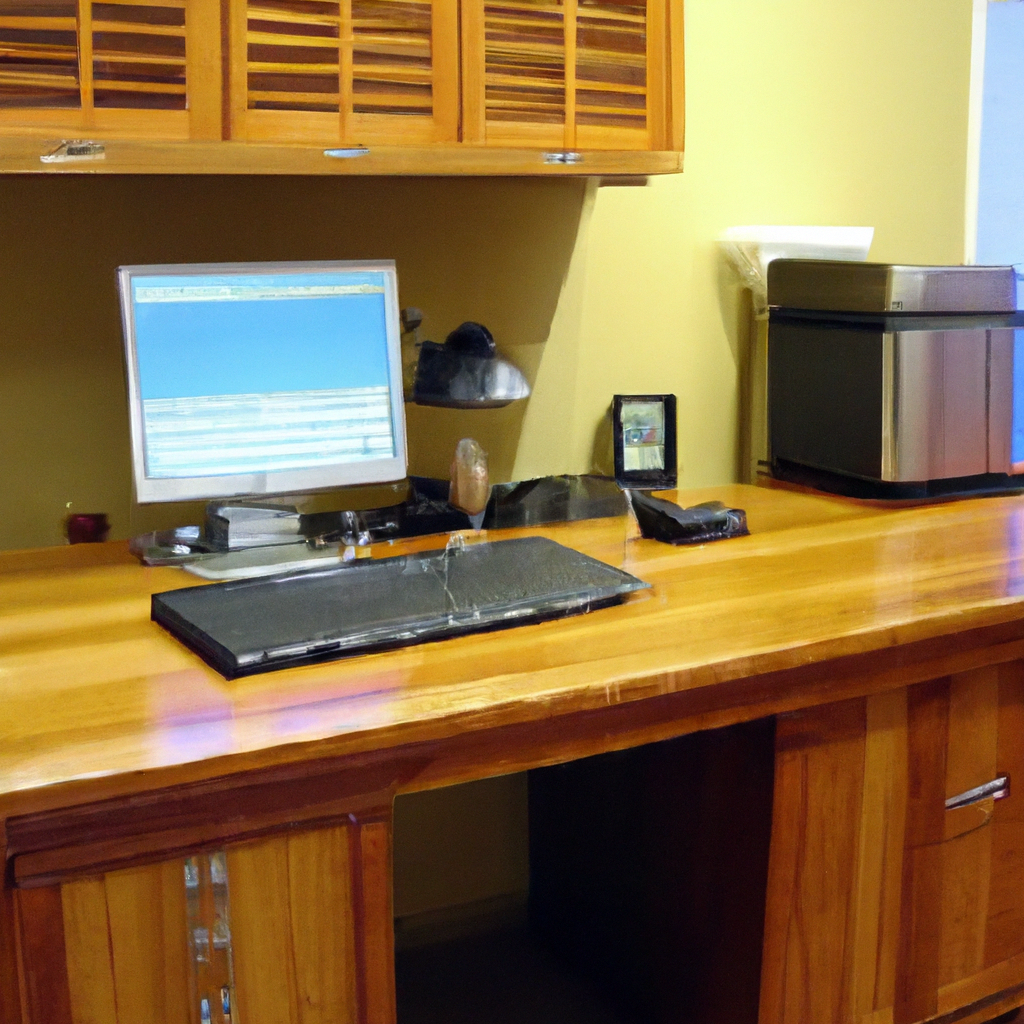
If you find yourself in the midst of a workspace dilemma, torn between a writing desk and a computer desk, fret not! In this article, we will explore the key differences between these two types of desks and help you determine which one suits your unique workspace needs. Whether you’re a pen-to-paper enthusiast or a tech-savvy individual, we’ve got you covered. So grab a cup of coffee and let’s dive into the world of writing desks and computer desks!

Design and Size
Writing Desk Design
When it comes to design, writing desks often have a more traditional and elegant appearance. They are commonly made from sturdy materials such as hardwood and feature decorative elements like carved legs or intricate detailing. Writing desks also tend to have a smaller footprint, making them an ideal choice for compact spaces or home offices.
Computer Desk Design
On the other hand, computer desks are designed with functionality in mind. They often have a more modern and sleek look, with clean lines and minimalistic features. Computer desks typically prioritize practicality over aesthetics, offering ample space for a desktop computer, monitor, keyboard, and other tech essentials. They are often constructed from materials like metal or engineered wood to ensure durability.
Writing Desk Size
Writing desks are generally smaller in size compared to computer desks. Their compact dimensions make them perfect for individuals who prioritize space efficiency or have limited room available. Writing desks may feature a single workspace or a small surface area, providing just enough room for writing materials, a laptop, or a tablet.
Computer Desk Size
In contrast, computer desks are usually larger and more spacious to accommodate various technological devices. They often include dedicated compartments or shelves designed to hold a computer tower, printer, speakers, and other peripherals. With ample workspace, computer desks offer enough room for multiple monitors, a full-sized keyboard, and extra storage solutions, providing a comfortable and efficient setup for digital tasks.
Functionality
Writing Desk Functionality
Writing desks are traditionally designed for writing and other non-digital activities. They often come equipped with a simple tabletop and a few drawers or compartments for organizing pens, papers, and other stationery items. This type of desk is suited for those who still enjoy the tactile experience of writing or need a dedicated space for reading, drawing, or crafting.
Computer Desk Functionality
Computer desks, as the name suggests, are specifically designed to cater to the needs of computer users. They offer various functionalities, such as built-in cable management systems, CPU compartments, sliding keyboard trays, and grommet holes for easy wire organization. Computer desks are equipped with features that promote a comfortable and efficient work environment, allowing users to arrange their computer setup with ease.


Storage Space
Writing Desk Storage
Writing desks typically offer limited storage options compared to computer desks. They may have a few smaller drawers or compartments for storing writing utensils, papers, and other essentials. However, the emphasis is more on the desk’s elegant design rather than its storage capacity. Writing desks are ideal for individuals who have minimal storage needs or prefer to keep their workspace clutter-free.
Computer Desk Storage
In contrast, computer desks often excel in terms of storage space. They frequently include multiple drawers, shelves, and even dedicated compartments for organizing computer accessories and office supplies. With ample storage options, computer desks provide a convenient solution for individuals who require additional space to store books, files, reference materials, and other computer-related items.
Ergonomics
Writing Desk Ergonomics
Ergonomics may not be a primary focus for writing desks since they are primarily designed for non-digital activities. However, it is still crucial to consider ergonomics when using a writing desk for prolonged periods. It is advisable to choose a writing desk with an appropriate height that allows for comfortable writing or working posture. Additionally, using an ergonomic chair and incorporating proper lighting can enhance the overall ergonomics of the workspace.
Computer Desk Ergonomics
Computer desks prioritize ergonomic considerations due to the extended periods individuals spend working on computers. They often feature adjustable components such as height-adjustable surfaces, monitor stands, and ergonomic keyboard trays. These adjustable features enable users to customize the desk to their preferred height and reduce strain on their wrists, back, and neck. Creating an ergonomic computer setup is essential for promoting good posture and minimizing the risk of long-term discomfort or injuries.

Technology Integration
Writing Desk Technology Integration
Writing desks are not specifically designed with technology integration in mind. However, in today’s digital age, many writing desk designs do cater to technology needs to some extent. They may incorporate features like built-in USB ports, wire management systems, or hidden compartments for concealing chargers and cables. While not as extensive as computer desks, writing desks can still accommodate the basic technological requirements of modern users.
Computer Desk Technology Integration
Computer desks excel in terms of technology integration. They often include features that simplify cable management, such as strategically placed holes or channels for routing wires and cables. Some computer desks even offer integrated charging stations, built-in USB hubs, or wireless charging capabilities. With these technological amenities, computer desks provide a seamless and organized workspace, allowing users to efficiently connect and power their devices.
Price Range
Writing Desk Price Range
The price range for writing desks can vary significantly depending on factors such as materials, craftsmanship, and design intricacy. Generally, writing desks tend to be more affordable compared to computer desks due to their simpler construction and smaller size. Entry-level writing desks can range from around $100 to $300, while high-end and custom-made options can cost upwards of $1000.
Computer Desk Price Range
Computer desks often come in a wider price range due to their diverse designs, sizes, and functionalities. Basic computer desks can be found for as low as $50 to $100, catering to budget-conscious individuals. However, more feature-rich and high-quality computer desks with advanced ergonomic features and ample storage options can range from $200 to $1000 or more, depending on the brand and materials used.

Aesthetics
Writing Desk Aesthetics
Writing desks are known for their classic and elegant aesthetics. They often feature intricate carvings, decorative legs, or antique finishes, making them a visually appealing addition to any workspace or home office. Writing desks come in various styles, ranging from traditional to contemporary, allowing individuals to choose a design that suits their personal taste and complements their existing interior decor.
Computer Desk Aesthetics
While computer desks prioritize functionality, they also offer a range of aesthetic options to cater to different preferences. Modern computer desks are often sleek, minimalistic, and designed with clean lines to fit well in contemporary spaces. However, there are also computer desks available in more traditional or industrial designs, allowing users to find a desk that matches their desired aesthetic while still meeting their technology-related requirements.
Mobility
Writing Desk Mobility
Writing desks tend to be lighter and more portable compared to computer desks. Their smaller size and simpler construction make them easier to move around if necessary. Writing desks can be ideal for individuals who prefer flexibility in their workspace arrangement or need a desk that can be easily relocated. The mobility of writing desks allows users to adapt their workspace to changing needs or move the desk to different rooms as desired.
Computer Desk Mobility
Computer desks, especially those designed for desktop computers, are typically less mobile than writing desks. Due to their larger size, weight, and potential for intricate cable management systems, computer desks are often intended to be more stationary. However, there are computer desk models available with wheels or casters, allowing for easier mobility when needed. These mobile computer desks provide the convenience of moving the desk without having to dismantle the entire setup.

Durability
Writing Desk Durability
Writing desks, constructed from sturdy materials such as hardwood or solid wood, are generally durable and built to withstand regular use. Their focus on craftsmanship and quality ensures that writing desks can last for many years, making them a worthwhile investment. However, it is important to take proper care of the desk, such as using coasters for drinks and avoiding excessive weight on the surface, to maintain its longevity and appearance.
Computer Desk Durability
Computer desks are designed to withstand the demands of modern workspaces and the weight of computer equipment. They are often constructed using durable materials such as metal, steel, or engineered wood. Computer desks go through rigorous testing to ensure their stability and durability. However, users should still take proper care to avoid overloading the desk with excessive weight or applying excessive force to movable components to ensure the desk’s long-lasting performance.
Personal Preference
Ultimately, the choice between a writing desk and a computer desk comes down to personal preference and individual needs. Consider your work style, the amount of technology you use, available space, and your desired aesthetics when making a decision. Whether you prioritize the elegance and charm of a writing desk or the functionality and organization provided by a computer desk, selecting the right desk for your workspace is essential in creating a productive and comfortable environment tailored to your specific needs.
